Quick Answer: Some of the best hidden gems in Alicante include the rocky coves of Cabo de la Huerta, the lesser-visited Castle of San Fernando, the palm-filled Parque El Palmeral, the ancient Roman ruins of Lucentum, and the peaceful gardens of Plaza Gabriel Miró. If you’ve already seen Santa Bárbara Castle, the Explanada, and Postiguet Beach, these unusual places reveal a completely different side of Alicante.
There’s an Alicante that almost everyone sees.
The beautiful promenade. The castle rising above the rooftops. The golden sand of Postiguet Beach, and the lively restaurants around the marina.
And then there’s another Alicante.
One where tiny coves hide beneath rugged cliffs. Where the remains of a Roman city sit quietly between modern neighbourhoods. Where palm trees surround peaceful waterfalls, and a second castle watches over the city without attracting anything like the attention of the first.
This is the Alicante that rewards curiosity.
The places you discover when you venture beyond the obvious attractions, follow a quieter street, or ask yourself what lies a little farther along the coast.
Some of these locations are well known to residents, and some attract plenty of visitors during summer. They’re not all secrets in the literal sense.
But compared with Alicante’s headline attractions, they offer something different.
And sometimes, different is exactly what makes a holiday unforgettable.
Here are 11 hidden gems in Alicante worth adding to your itinerary.
1. Discover Alicante’s Secret Coastal Escapes
Alicante is famous for its beaches, but the most memorable places to enjoy the Mediterranean aren’t always the biggest stretches of sand.
Beyond the main tourist areas, you’ll find rocky coves, clear water, and quieter coastal landscapes.
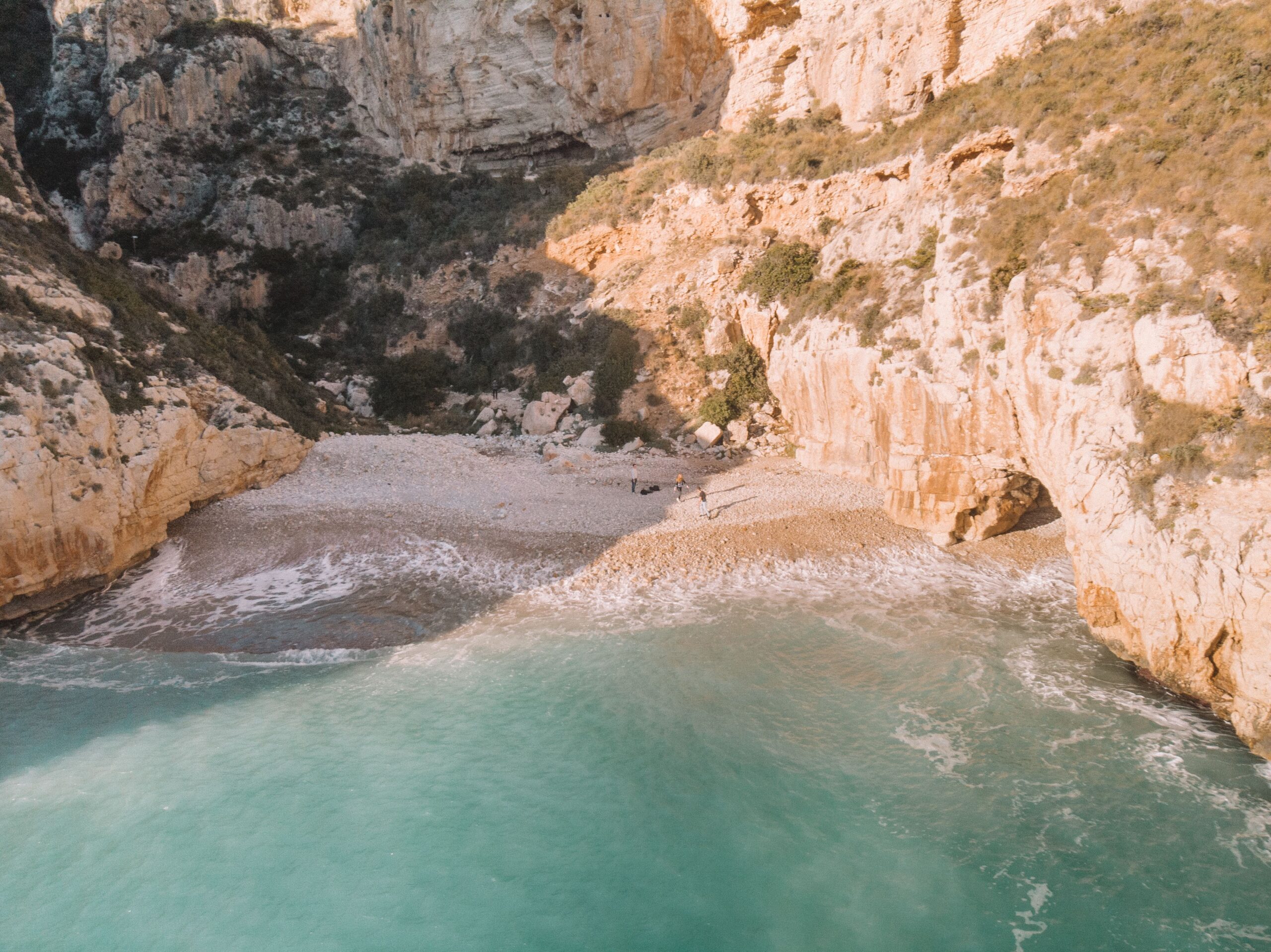
1. Cabo de la Huerta: Alicante’s Beautiful Hidden Coves
Imagine leaving the busy city beach behind and arriving somewhere the Mediterranean looks almost impossibly blue.
That’s the appeal of Cabo de la Huerta, a rocky headland between Playa de San Juan and the Albufereta area.
Rather than one long sandy beach, the coastline is broken into small coves, rocky platforms, and natural swimming spots.
The landscape feels wilder than central Alicante.
There are fewer buildings immediately beside the water, and the rocky shoreline creates beautiful contrasts between pale stone, coastal vegetation, and turquoise sea.
Cala Cantalar is one of the better-known coves in this area.
It’s a lovely place for confident swimmers and visitors who enjoy exploring natural coastal settings.
Why it’s special: A different kind of Mediterranean experience, away from the city’s main sandy beaches.
Best for: Coastal photography, snorkelling in suitable conditions, and relaxing beside the sea.
Good to know: The rocky shoreline can be uneven and slippery. Some access paths are steep, and facilities are limited compared with serviced beaches.
Local tip: Bring appropriate footwear, drinking water, and sun protection. Check sea conditions before entering the water.
2. Playa de la Almadraba: A Quieter Beach With Beautiful Views
If rocky coves aren’t your thing, Playa de la Almadraba offers another alternative.
Located in the Albufereta area, this relatively small beach feels different from the broad sands of San Juan and the busy central setting of Postiguet.
Its sheltered location, surrounding coastline, and views towards the sea make it an appealing place to spend a relaxed afternoon.
It’s particularly attractive when you want to enjoy Alicante’s coastline without planning an entire beach day.
Bring a book, sit beside the water, or take a gentle walk along the surrounding shore.
Why it’s special: A smaller beach with a more intimate atmosphere.
Best for: Couples, relaxed afternoons, and visitors exploring the coastline beyond central Alicante.
Local tip: Visit outside peak summer weekends for a better chance of finding a quieter spot.
2. Explore the Castle Most Visitors Never Think to Visit
Everyone knows about Santa Bárbara Castle.
Its dramatic position above Alicante makes it almost impossible to miss.
But the city has another historic fortress that receives far less attention.
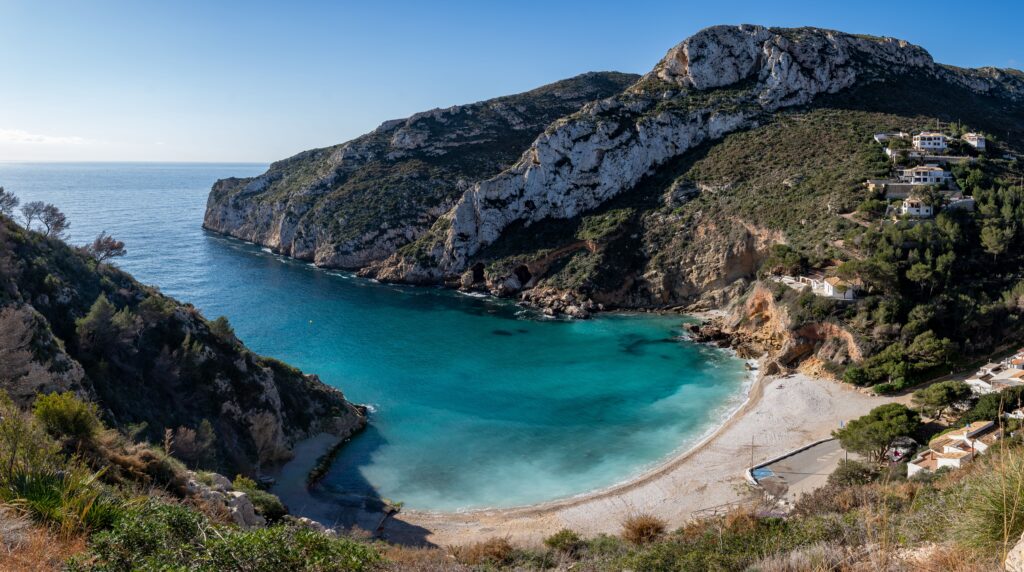
3. Castle of San Fernando: Alicante’s Overlooked Fortress
On Mount Tossal, west of the historic centre, stands the Castle of San Fernando.
Built during the early nineteenth century, the fortress was associated with preparations for the Peninsular War.
Today, its appeal is quite different from the grand experience of Santa Bárbara.
You won’t find the same level of visitor infrastructure, elaborate exhibitions, or famous postcard views.
Instead, you get a historic hillside setting and an opportunity to see Alicante from another perspective.
The surrounding area provides views across the city, including rooftops, urban neighbourhoods, and distant mountains.
It’s a fascinating reminder that Alicante’s history extends beyond its most celebrated monument.
Why it’s special: A lesser-visited historic site offering a different view of the city.
Best for: History enthusiasts, walkers, and travellers who have already visited Santa Bárbara.
Good to know: The condition of paths, public access, and visitor facilities may vary. Check current access arrangements, and avoid closed or unsafe structures.
Local tip: Combine the surrounding Mount Tossal area with a walk through a different part of Alicante rather than treating it as a substitute for Santa Bárbara Castle.
3. Find Alicante’s Unexpected Green Spaces
When people picture Alicante, they usually imagine beaches, palm-lined promenades, and Mediterranean sunshine.
But the city also has green spaces that feel surprisingly peaceful.
4. Parque El Palmeral: A Palm-Filled Escape
Parque El Palmeral is one of Alicante’s most attractive urban parks.
Located southwest of the city centre, the park brings together tall palm trees, landscaped gardens, ponds, and water features.
The atmosphere feels almost tropical in places.
Paths wind between the greenery, offering visitors somewhere to escape the bustle of the city.
It’s especially appealing if you’ve spent several days exploring historic streets, beaches, and busy attractions.
Here, the pleasure is simply walking, sitting, and enjoying the surroundings.
Why it’s special: A peaceful, palm-filled landscape that feels quite different from Alicante’s urban centre.
Best for: Families, nature lovers, and anyone wanting a gentle afternoon.
Good to know: Water features and recreational facilities may be affected by maintenance or seasonal operating arrangements.
Local tip: Visit during the cooler hours, and allow time to wander rather than rushing from one end of the park to the other.
5. Plaza Gabriel Miró: A Beautiful Square Hidden in Plain Sight
Not every hidden gem requires a journey out of town.
Some are sitting quietly between streets you’ve probably already walked past.
Plaza Gabriel Miró is one of those places.
This elegant square is known for its mature trees, ornate fountain, and beautiful surrounding buildings.
The enormous ficus trees create a sense of shade and enclosure that makes the square feel almost like an outdoor room.
It’s a wonderful place to stop for a few minutes, particularly when the city is busy.
Find a bench, admire the architecture, and enjoy the atmosphere.
Why it’s special: A peaceful, historic square in the heart of Alicante.
Best for: Photography, architecture, and a relaxing break while sightseeing.
Local tip: Include it when walking between the Central Market, shopping streets, and waterfront.
4. Step Back in Time to Alicante’s Ancient Past
Alicante’s history reaches much farther back than its medieval castle.
One of its most fascinating archaeological sites sits outside the traditional tourist centre.
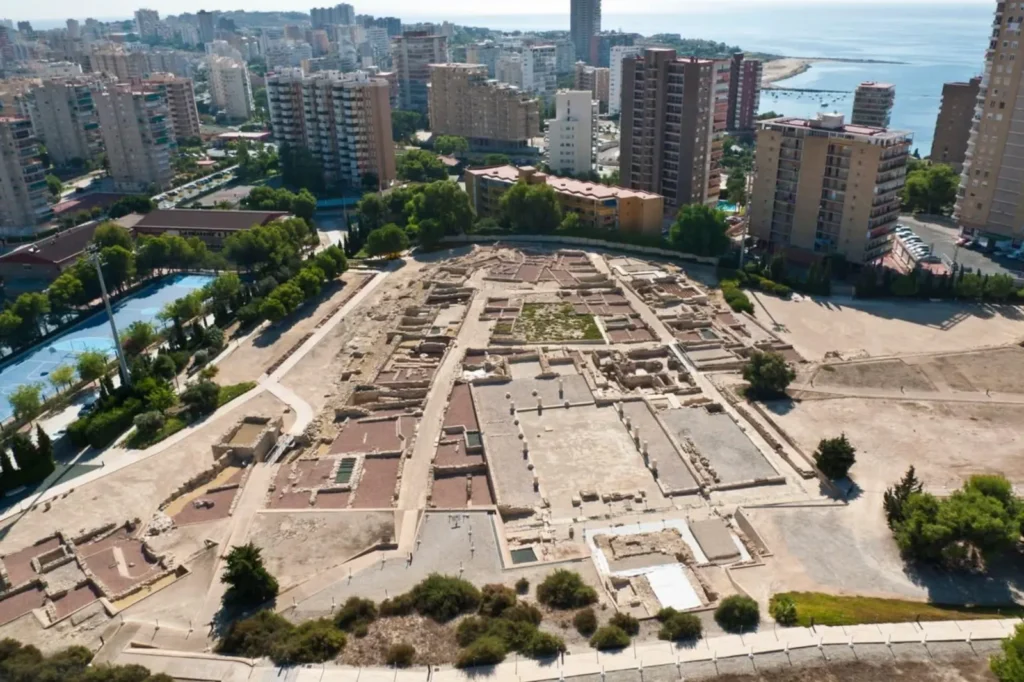
6. Lucentum: The Roman City Beneath Modern Alicante
Long before modern Alicante became a Mediterranean holiday destination, this coastline was home to an important ancient settlement.
Today, the archaeological site of Lucentum, at Tossal de Manises, preserves remains associated with the Iberian and Roman periods.
Walking through the site offers an extraordinary opportunity to imagine daily life almost two thousand years ago.
You can explore the remains of streets, walls, buildings, and public spaces that once formed part of the ancient city.
What makes Lucentum especially interesting is its setting.
Modern neighbourhoods surround the archaeological area, creating a striking contrast between ancient history and contemporary life.
Why it’s special: A remarkable archaeological experience away from Alicante’s main sightseeing circuit.
Best for: History lovers, families with curious older children, and travellers interested in Roman Spain.
Good to know: This is an outdoor archaeological site. Opening hours, ticket prices, and access arrangements should be checked before travelling.
Local tip: Combine Lucentum with the nearby Albufereta area for a day that mixes history and the Mediterranean coast.
7. Torre Sarrió: The Watchtower That Tells a Forgotten Story
Alicante’s coastline has a long history of defensive towers.
During earlier centuries, these structures helped protect settlements, agricultural land, and trade routes from attacks.
Torre Sarrió is one of the surviving examples.
Located in the Albufereta area, the historic tower now forms part of an interpretation centre dedicated to Alicante’s former Huerta watchtowers.
The tower dates to the late sixteenth century, and its story reveals a side of Alicante that many visitors never encounter.
It’s a reminder that the landscape surrounding the modern city was once filled with agricultural estates and defensive structures.
Why it’s special: An unusual historical attraction that goes beyond the familiar castle and churches.
Best for: Architecture enthusiasts, local history lovers, and curious travellers.
Good to know: Interior visits may require advance registration, and the interpretation centre is not necessarily open for casual drop-in visits.
Local tip: Check the current programme before making a special journey. The surrounding area can still be explored independently where public access is permitted.
5. Discover Alicante’s Most Unusual Streets and Cultural Corners
Some places are worth visiting precisely because they’re unexpected.
They don’t necessarily fit the traditional idea of a historic attraction, but they add personality to a destination.
8. Calle de las Setas: Alicante’s Mushroom Street
Imagine walking through an ordinary city street and suddenly finding yourself surrounded by giant colourful mushrooms.
That’s Calle San Francisco, popularly known as Calle de las Setas.
This playful pedestrian street features oversized mushroom sculptures and decorative elements that create an almost storybook atmosphere.
It’s particularly popular with families, but adults often enjoy it just as much.
The street also has shops, cafés, and restaurants, making it an easy addition to a central Alicante walking route.
Why it’s special: One of Alicante’s most unexpected and photogenic urban spaces.
Best for: Families, photography, and visitors looking for something light-hearted.
Local tip: Visit while exploring central Alicante rather than planning a separate trip. It’s an enjoyable short stop, not a half-day attraction.
9. MUBAG: The Art Museum Many Visitors Walk Past
Alicante’s Contemporary Art Museum, MACA, receives plenty of attention.
But another cultural attraction deserves a place on your list.
MUBAG, the Gravina Museum of Fine Arts, is housed in an elegant historic building in the old town.
Its collections explore art associated with Alicante and the wider region, offering visitors a deeper appreciation of local artistic heritage.
The museum’s setting is part of the experience.
Historic architecture and traditional artworks create a different atmosphere from the modern galleries of MACA.
Why it’s special: A rewarding cultural experience in one of Alicante’s historic buildings.
Best for: Art lovers, architecture enthusiasts, and visitors looking for an indoor activity.
Local tip: Combine MUBAG with the Basilica of Santa María and nearby streets for a cultural afternoon.
6. Enjoy Two More Unexpected Places by the Mediterranean
Alicante’s coastline isn’t only about swimming and sunbathing.
Some of its most interesting places reveal how the city has developed alongside the sea.
10. The Ocean Race Museum: An Unexpected World of Adventure
Near Alicante’s marina, you’ll find a museum dedicated to one of the world’s most demanding sailing competitions.
The Ocean Race Museum introduces visitors to the extraordinary challenges of racing around the globe.
Rather than focusing on traditional maritime history alone, it explores ocean adventure, teamwork, technology, and the realities of life at sea.
For visitors who have never followed professional sailing, it can be a surprisingly fascinating experience.
It’s also conveniently located near the waterfront, making it easy to combine with lunch or a walk around the marina.
Why it’s special: A modern, interactive look at the world of ocean racing.
Best for: Families, sailing enthusiasts, and visitors who enjoy unusual museums.
Good to know: Check current opening hours and any charges for special experiences.
Local tip: Visit during the hottest part of the day if you’re looking for an indoor break from sightseeing.
11. Cabo de la Huerta Lighthouse: Alicante’s Rugged Coastal Landscape
Return to the Cabo de la Huerta headland, but this time look beyond the coves.
The lighthouse area offers a dramatic coastal landscape, with rocky terrain, open Mediterranean views, and a sense of space that’s very different from the busy waterfront.
The lighthouse itself is a working maritime landmark, not a conventional tourist attraction.
The surrounding coastal scenery is the reason to visit.
On a clear day, the views across the sea are beautiful.
It’s the kind of place where you can spend a little time enjoying the horizon, watching the waves, and appreciating Alicante’s more rugged side.
Why it’s special: Wild coastal scenery and a different perspective on the Mediterranean.
Best for: Landscape photography, coastal walks, and visitors seeking quieter outdoor spaces.
Good to know: Stay on permitted paths, respect restricted lighthouse areas, and avoid approaching cliff edges.
Local tip: Combine this area with the nearby coves rather than making two separate journeys.
7. How to Explore Alicante’s Hidden Gems Without Wasting Time
One of the biggest mistakes visitors make is assuming all of Alicante’s attractions are close together.
The historic centre is compact, but many of these hidden gems are spread across different parts of the city.
A little planning makes all the difference.
If You Have Just a Few Hours
Stay close to the centre.
Begin at Plaza Gabriel Miró, explore Calle de las Setas, and visit MUBAG if you enjoy art.
You can then continue towards the waterfront and The Ocean Race Museum.
This gives you a relaxed introduction to Alicante’s less obvious attractions without spending too much time travelling.
If You Have Half a Day
Choose a theme.
For history, combine Lucentum with the Albufereta area, and consider Torre Sarrió if a visit is available.
For nature, spend time at Parque El Palmeral.
For coastal scenery, head towards Cabo de la Huerta and explore its coves and viewpoints.
Trying to combine all three in a single afternoon would mean spending more time travelling than enjoying the places themselves.
If You Have a Full Day
Start with the central attractions, then choose one area farther from the city centre.
For example, you could spend the morning exploring Plaza Gabriel Miró, Calle de las Setas, and MUBAG.
After lunch, travel towards Cabo de la Huerta for an afternoon beside the Mediterranean.
Alternatively, make Lucentum the focus of your afternoon if history interests you more.
Where Tuk Tuk Limo Tours Fits
If you’re visiting Alicante for the first time, getting an overview of the city can make exploring much easier.
Tours en Tuk-Tuk Limo offers private electric tuk-tuk sightseeing experiences that introduce visitors to Alicante’s main landmarks, historic areas, and coastal atmosphere.
A tour can help you understand the layout of the city, discover which neighbourhoods appeal to you, and decide where you’d like to spend more time independently.
However, not every hidden gem in this guide is included in the operator’s published routes.
Places such as Lucentum, Cabo de la Huerta’s coves, and Torre Sarrió should not be assumed to be accessible on a standard tour.
Check the route and permitted stops with the operator before booking.
Explore the private Alicante sightseeing tours, ou enquire about your experience.
Frequently Asked Questions About Hidden Gems in Alicante
What are the best hidden gems in Alicante?
Some of the best hidden gems in Alicante include Cabo de la Huerta’s rocky coves, Castle of San Fernando, Parque El Palmeral, Lucentum, Plaza Gabriel Miró, and the historic Torre Sarrió.
Are there secret beaches in Alicante?
Alicante has several smaller coves and quieter coastal areas, particularly around Cabo de la Huerta. They aren’t truly secret, and some become busy in summer, but they offer a different experience from Postiguet and San Juan beaches.
What unusual things can you do in Alicante?
You can explore the ancient Roman city of Lucentum, visit Mushroom Street, discover Alicante’s historic defensive watchtowers, enjoy the Ocean Race Museum, or explore the lesser-known Castle of San Fernando.
Where can you go in Alicante away from tourists?
Parque El Palmeral, Plaza Gabriel Miró, and some of the smaller coastal areas can offer a more relaxed atmosphere, especially outside peak visiting times. None is guaranteed to be quiet, particularly during weekends and holidays.
Is Cabo de la Huerta worth visiting?
Yes. Cabo de la Huerta is particularly appealing to visitors who enjoy rocky coastal scenery, natural swimming spots, and Mediterranean views. It is less suitable for anyone who needs easy access to sandy beaches or extensive facilities.
Is Lucentum worth visiting?
Yes, particularly if you’re interested in archaeology or Roman history. The site offers an opportunity to explore the remains of an ancient settlement without travelling far beyond Alicante.
Can you visit Alicante’s hidden gems without a car?
Yes, although some locations are easier to reach than others. Alicante’s public transport network connects many areas of the city, but individual attractions may require walking or additional travel planning.
Are these hidden gems suitable for children?
Several are family-friendly, including Parque El Palmeral, Mushroom Street, and certain museums. Rocky coves, steep coastal paths, and historic ruins require additional care, particularly with younger children.
What’s the best time to explore Alicante’s hidden places?
Spring and autumn are excellent for walking and sightseeing. In summer, visit outdoor attractions during the cooler morning or evening hours, and check sea conditions before visiting coastal coves.
How many days do you need to explore Alicante beyond the main attractions?
Two or three days give you time to enjoy Alicante’s famous landmarks while also discovering quieter beaches, museums, parks, and historic sites.
The Alicante Most Visitors Never Discover
The beautiful thing about Alicante is that it never really runs out of surprises.
You can visit the castle, wander along the Explanada, and spend an afternoon on the beach, and still feel as though you’ve only scratched the surface.
Because beyond those familiar sights is another city.
One filled with forgotten fortresses, ancient Roman streets, peaceful gardens, and stretches of coastline that feel wonderfully removed from the crowds.
These are the places that give your holiday a different kind of memory.
Not necessarily the most famous photograph.
Not the attraction everyone told you to visit.
But the unexpected discovery that makes you stop, look around, and think, I’m so glad I came here.
So explore the famous sights, absolutely.
But leave a little room for curiosity.
And if you’d like to begin with an introduction to Alicante’s wider attractions, discover the private electric tuk-tuk toursoffered by Tuk Tuk Limo Tours.
The Alicante you remember most might be the one you never expected to find.
Ready to see it yourself?
Skip the tour bus. Our electric tuk-tuks take you through the streets, stories, and hidden corners that guidebooks miss.


