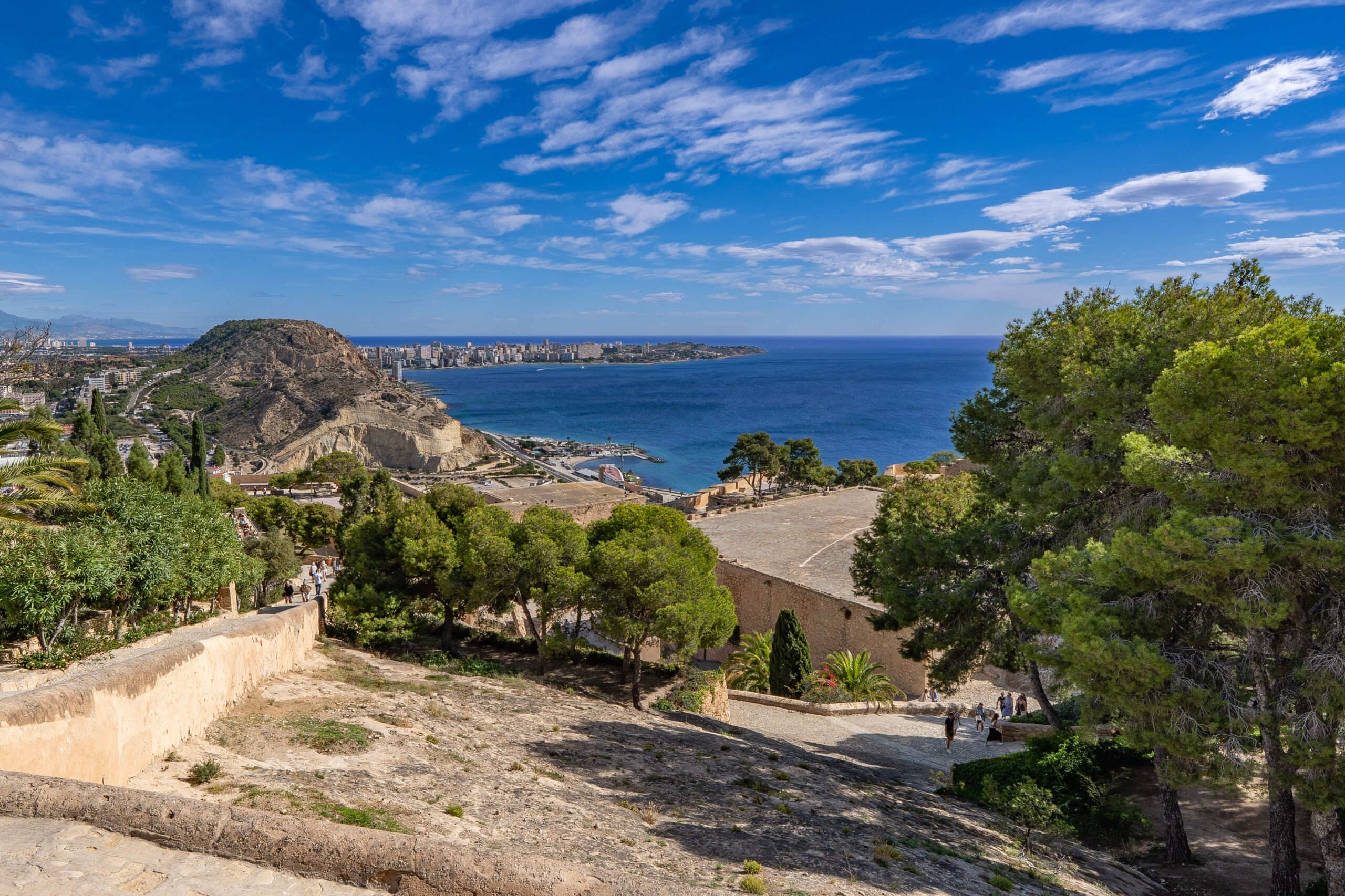
Quick Answer: The best things to do in Alicante include exploring Santa Bárbara Castle, wandering the colourful streets of Barrio de Santa Cruz, strolling along the Explanada de España, relaxing on Postiguet Beach, and discovering the city’s beautiful Mediterranean waterfront. From historic churches and lively markets to fascinating museums and an island escape, Alicante offers far more than a typical beach holiday.
There is a particular moment in Alicante when the city seems to slow down.
The morning sun catches the white balconies of the old town. Palm trees cast long shadows across a promenade that looks almost like a moving sea. Somewhere nearby, coffee cups clink against saucers, the market stalls are opening, and above everything stands a medieval fortress watching over the Mediterranean.
Alicante is one of those cities that feels welcoming almost immediately.
It has the sunshine and beaches you expect from Spain’s Costa Blanca, but its real charm lies in the way everything comes together. Centuries of history sit beside waterfront restaurants. Quiet residential streets open into beautiful squares. You can spend the morning inside a castle, have lunch beneath the palm trees and finish the afternoon with your feet in the sand.
And unlike some destinations where the best experiences are scattered across an enormous area, many of Alicante’s greatest attractions sit surprisingly close together.
Whether you’re visiting for a weekend, arriving on a cruise ship, or planning a longer Costa Blanca holiday, this guide will help you discover the places that make Alicante special.
1. Things to Do in Alicante: Start With the City’s Most Iconic Landmarks
Some places are so closely connected to Alicante that they become part of the city’s identity.
These are the sights that give you your first real understanding of where you are.
1. Santa Bárbara Castle: Alicante’s Unmissable Landmark
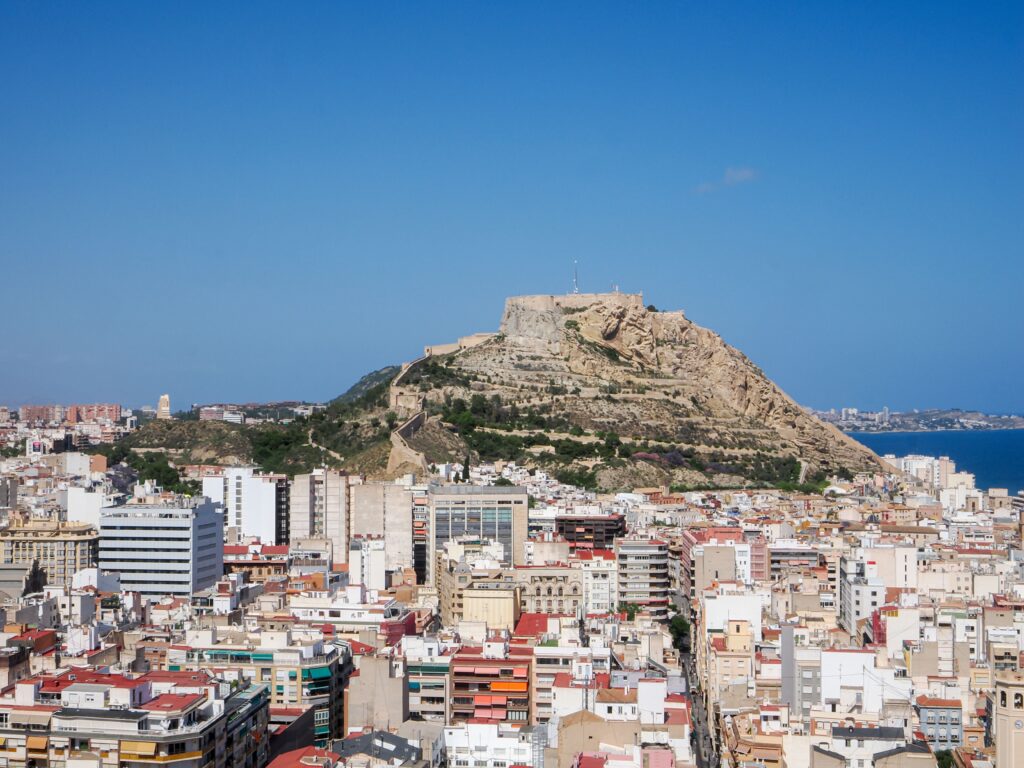
Look up from almost anywhere in central Alicante, and you’ll probably see it.
Santa Bárbara Castle rises above the city on Mount Benacantil, approximately 166 metres above sea level. Its walls stretch across the rocky hillside, creating one of the most recognisable skylines on Spain’s Mediterranean coast.
But the castle is much more than a beautiful backdrop.
Its history reaches back to the period of Muslim rule, and its different defensive levels reveal how the fortress developed over centuries. Walk through its courtyards and ramparts, and you’ll discover stone passageways, historic structures and extraordinary views across Alicante Bay.
On a clear day, the combination of terracotta rooftops, mountains, harbour and blue Mediterranean water is unforgettable.
Why visit: It brings together Alicante’s history and some of its finest panoramic views.
Best time: Morning for gentler temperatures, or later in the afternoon for warmer light. Check seasonal opening hours before planning a sunset visit.
Good to know: The castle has pedestrian approaches, a public lift, and a shuttle service. Vehicle access is restricted, so don’t assume a private sightseeing vehicle can enter the fortress grounds.
Local tip: Allow at least 60 to 90 minutes to appreciate the views and historic spaces without rushing.
For current access arrangements and opening information, consult Alicante’s official Santa Bárbara Castle guide.
2. Explanada de España: The Promenade That Defines Alicante
There are seaside promenades, and then there is Alicante’s Explanada de España.
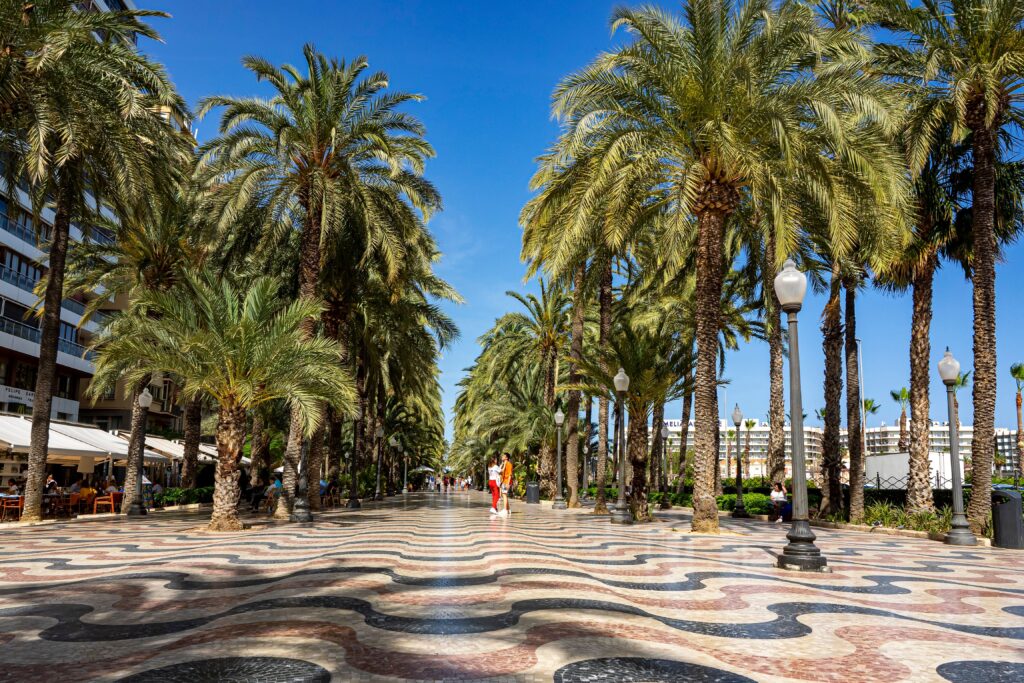
Running alongside the port, this beautiful pedestrian walkway is famous for its flowing mosaic pavement, designed in waves of red, cream and dark stone.
Tall palm trees create a graceful canopy overhead, while cafés, terraces and the rhythm of everyday life make it one of the city’s most enjoyable places to wander.
It’s somewhere you visit without needing a particular reason.
Come for a morning coffee. Return after lunch for a gentle stroll. Walk here again in the evening when the city lights begin to glow and the Mediterranean air feels softer.
Why visit: The Explanada captures the relaxed elegance of Alicante better than almost anywhere else.
Best time: Early morning or evening, particularly during the warmer months.
Local tip: Look beyond the pavement itself. The nearby architecture, especially Casa Carbonell at the northern end, adds another layer of character to the waterfront.
2. Discover Alicante’s Most Beautiful Historic Streets
The old town is where Alicante begins to feel personal.
Here, the grand avenues give way to small squares, traditional houses and streets that have been shaped by generations of everyday life.
3. Barrio de Santa Cruz: The Colourful Heart of Old Alicante
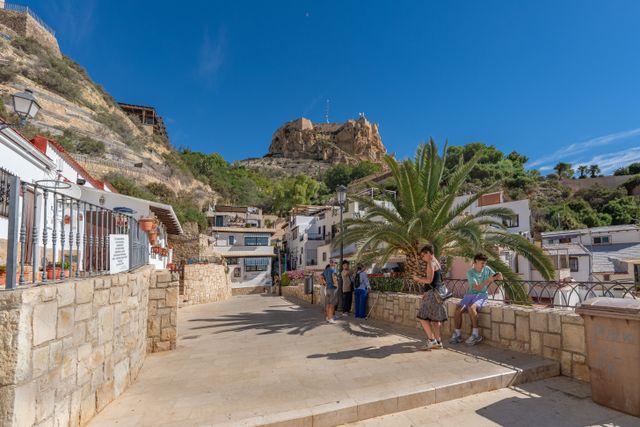
If you have seen photographs of Alicante’s whitewashed houses, bright flowers and painted stairways, chances are they were taken in Barrio de Santa Cruz.
Climbing the lower slopes of Mount Benacantil, this historic neighbourhood is one of the city’s most atmospheric places.
Blue flowerpots hang beside colourful doors. Bougainvillea spills over balconies. Narrow staircases wind between houses, sometimes opening onto unexpected glimpses of the Mediterranean.
The beauty of Santa Cruz isn’t found in one single monument.
It’s in the details.
A little tiled doorway. A quiet corner in the shade. A staircase framed by flowers. The sudden view of the castle above the rooftops.
Why visit: For photography, historic character, and one of Alicante’s most memorable neighbourhood walks.
Best time: Morning, before the hottest part of the day.
Good to know: The neighbourhood contains steep streets and numerous steps. Explore it on foot and wear comfortable shoes.
Local tip: Don’t try to rush through Santa Cruz. Choose a few streets and enjoy the atmosphere rather than treating it as another sightseeing checklist.
4. Basilica of Santa María: Centuries of Alicante’s History
Near the lower part of the old town stands the Basilica of Santa María, one of Alicante’s most significant religious buildings.
The church occupies the site of a former mosque and is particularly admired for its richly decorated Baroque façade.
Its exterior feels strikingly different from the colourful residential streets nearby.
Here, Alicante’s history becomes monumental.
Stand in the square and take a moment to study the carved stonework before stepping inside, if visitor access is available.
Why visit: A beautiful introduction to the city’s religious architecture and layered past.
Local tip: Combine the basilica with the neighbouring contemporary art museum. The contrast between historic stonework and modern art is part of the appeal.
5. Co-Cathedral of San Nicolás: A Peaceful Surprise
A short walk away, the Co-Cathedral of San Nicolás offers another side of Alicante’s architectural heritage.
Behind its relatively restrained exterior is a spacious interior crowned by an impressive dome.
The atmosphere feels calm and contemplative, particularly when compared with the lively streets outside.
The building combines architectural influences associated with the Renaissance and Baroque periods, reflecting Alicante’s development over several centuries.
Why visit: For architecture, history, and a quiet moment away from the bustle.
Local tip: Visit respectfully and check whether religious services or special events affect tourist access.
3. Enjoy the Mediterranean Coast Without Leaving the City
One of Alicante’s greatest luxuries is how easily its urban life connects with the sea.
You don’t have to choose between sightseeing and a beach holiday.
You can enjoy both in the same afternoon.
6. Playa del Postiguet: The Beach Beneath the Castle
Imagine sitting on golden sand with a medieval fortress rising behind you.
That’s the setting at Playa del Postiguet.
Located beside central Alicante, this popular urban beach is one of the city’s most convenient places to relax.
Its location makes it particularly appealing for travellers who want a swim or a seaside break without spending time travelling out of town.
The beach is close to the promenade, harbour and historic centre, so it’s easy to combine with sightseeing.
Why visit: An accessible central beach with an extraordinary castle backdrop.
Best time: Earlier in the day during summer, when the beach can become busy.
Local tip: Even if you don’t plan to swim, a walk along the seafront is worth making for the views alone.
7. Alicante Marina: Where the City Meets the Mediterranean
Alicante’s marina has a different energy from the old town.
The streets open up. The horizon becomes wider. Sailing boats move gently against the waterfront while people linger at restaurants and outdoor terraces.
It’s an especially pleasant area for a relaxed walk after exploring the Explanada.
The marina also gives you a different perspective on the city, with the castle rising beyond the harbour and the Mediterranean stretching away in the opposite direction.
Why visit: Harbour views, waterfront dining and a relaxed coastal atmosphere.
Best time: Late afternoon and evening.
Local tip: Take your time around the waterfront rather than simply passing through on the way to another attraction.
8. Playa de San Juan: Alicante’s Great Stretch of Golden Sand
If Postiguet is Alicante’s convenient city beach, Playa de San Juan is where you go when you want more room to breathe.
This long stretch of golden sand lies northeast of the historic centre and is one of the area’s best-known beaches.
Its broad shoreline makes it popular with families, couples and visitors who want a more traditional beach day.
There are places to eat nearby, and the wider beach area has a distinctly holiday-like atmosphere.
Why visit: For a spacious beach experience and a longer, more leisurely day by the sea.
Good to know: San Juan is outside the compact historic centre, so allow travel time. Public transport is an option.
Local tip: If you’re spending several days in Alicante, save San Juan for a separate morning or afternoon rather than squeezing it into an already busy city itinerary.
4. Experience Alicante Like a Local
The most memorable cities aren’t only made of famous landmarks.
They’re made of ordinary moments that reveal how people actually live.
Alicante has plenty of them.
9. Mercado Central: Discover the Flavours of Alicante
If you want to experience Alicante at its liveliest, visit the Central Market.
Inside, the stalls celebrate the food culture of the Mediterranean.
Fresh fish and seafood. Seasonal vegetables. Cured meats. Olives. Cheeses. Fruit arranged in colourful displays.
It’s a place full of movement and conversation, where shopping is still part of the city’s daily rhythm.
Even if you’re not buying ingredients, wandering through the market offers a wonderful introduction to the region’s food traditions.
Why visit: Local atmosphere, regional produce and an authentic everyday experience.
Best time: Morning. The market generally operates Monday to Saturday and is closed on Sundays.
Local tip: Arrive with an appetite and look for something local to enjoy later, whether that’s fresh fruit, a savoury snack or a traditional pastry.
Check current opening hours on the official Alicante shopping and markets page.
10. Plaza del Ayuntamiento: Alicante’s Elegant Civic Square
Alicante’s Town Hall stands in one of the historic centre’s most attractive urban spaces.
Its grand façade and formal architecture offer a contrast to the narrow streets of Santa Cruz.
The square is a good place to slow down, admire the building, and appreciate Alicante’s more ceremonial side.
It’s also a useful landmark when navigating between the old town and the waterfront.
Why visit: Historic architecture and an attractive stop on a walking route.
Local tip: Combine it with the Basilica of Santa María and nearby streets rather than making a separate journey.
11. Calle San Francisco: A Playful Side of Alicante
Not every memorable street needs a centuries-old monument.
Calle San Francisco, often nicknamed the Mushroom Street, is known for its whimsical mushroom-themed sculptures and playful design.
It’s an unexpected change of mood after the more traditional architecture of the historic centre.
Families often enjoy the colourful details, while photographers appreciate the street’s unusual character.
Why visit: A fun, distinctive stop that reveals Alicante’s lighter side.
Local tip: It’s particularly easy to include during a central walking route or a family afternoon.
5. Explore Alicante’s Art, Culture and Hidden History
Alicante’s cultural attractions deserve more attention than they sometimes receive.
Beyond the castle and beaches, the city has museums that reveal its artistic heritage, ancient history and connection with the sea.
12. MACA: Contemporary Art in the Old Town
The Contemporary Art Museum of Alicante, known as MACA, sits close to the Basilica of Santa María.
Its setting is part of what makes it interesting.
The museum brings contemporary art into a historic part of the city, creating a striking contrast between the old streets outside and the artistic ideas inside.
Its collections offer a welcome change of pace, particularly during a hot afternoon or on a day when you want something beyond outdoor sightseeing.
Why visit: Contemporary art, architecture and a quieter cultural experience.
Good to know: The official tourism board lists general admission as free, although opening arrangements and temporary exhibitions should be checked.
13. MARQ Archaeological Museum: Travel Through Alicante’s Past
The MARQ Archaeological Museum is one of Alicante’s most rewarding attractions for curious visitors.
Rather than presenting history as a collection of disconnected objects, the museum uses displays and interpretation to explore how people lived across different periods.
Its exhibitions introduce visitors to the region’s ancient cultures, archaeological discoveries and changing ways of life.
For anyone who enjoys understanding the story behind a destination, MARQ adds real depth to a visit.
Why visit: Archaeology, regional history and engaging museum displays.
Local tip: Give yourself enough time to enjoy the exhibitions properly. This is a museum worth exploring rather than rushing through.
For museum information, visit the official Alicante museums guide.
14. The Ocean Race Museum: Alicante’s Connection to the Sea
Alicante’s relationship with the Mediterranean extends far beyond beaches and fishing boats.
The city has a significant connection with The Ocean Race, the famous round-the-world sailing competition.
Located in the port area, The Ocean Race Museum explores the extraordinary challenges of ocean racing through exhibits, models and interactive experiences.
It offers something different from Alicante’s historic attractions, with stories of adventure, technology, teamwork and life at sea.
Why visit: Maritime history and an engaging attraction for visitors interested in sailing or exploration.
Good to know: The museum offers different experiences, and admission arrangements depend on what you choose. Check the current programme before visiting.
Explore the official Ocean Race Museum visitor information.
6. Take an Unforgettable Day Trip to Tabarca Island
Sometimes the best way to appreciate a coastal city is to leave it behind for a few hours.
Alicante has an especially memorable option.
15. Tabarca Island: A Different World Across the Water
Just off the Costa Blanca lies Tabarca, a small inhabited island with an extraordinary history.
Reached by boat, the island offers clear Mediterranean waters, a historic walled settlement, quiet corners and a pace of life that feels completely different from the mainland.
The island’s surrounding waters form a protected marine reserve, making it especially attractive to visitors interested in snorkelling and marine life.
You can wander through the old settlement, enjoy a seafood lunch or simply find a place to sit and watch the sea.
Tabarca is not somewhere to rush.
Part of its appeal is the feeling of stepping away from the busy mainland for a while.
Why visit: Clear water, island history, snorkelling and a memorable Mediterranean day trip.
How to get there: Boat services operate from Alicante, with departures and frequency varying by season. The crossing from Alicante generally takes around an hour.
Good to know: Sea conditions affect crossings. Check return departures carefully and never assume the same timetable operates year-round.
Local tip: If you’re visiting Alicante for only one day, prioritise the city itself. Tabarca is best enjoyed when you have a little more time.
Read the official Alicante guide to Tabarca Island.
7. Plan the Perfect Alicante Sightseeing Experience
Knowing what to see is one thing.
Knowing how to bring it all together is what turns a good trip into a great one.
Alicante rewards travellers who balance exploration with a little time to enjoy the atmosphere.
If You Have One Day in Alicante
Start with the city’s most iconic sights.
Morning: Explore Santa Bárbara Castle, then make your way towards the historic centre.
Late morning: Discover Barrio de Santa Cruz, the Basilica of Santa María and the surrounding old-town streets.
Lunch: Find a restaurant in the centre and try something inspired by Alicante’s rice and seafood traditions.
Afternoon: Walk along the Explanada de España, explore the marina and enjoy Playa del Postiguet.
Evening: Return to the waterfront for dinner and a relaxed stroll.
This itinerary gives you a beautiful introduction to Alicante without trying to fit every attraction into a single day.
If You Have Two Days
Use your first day for the castle, old town, promenade, and waterfront.
On the second day, choose the experiences that interest you most.
Art and history lovers can explore MACA and MARQ. Families might prefer San Juan Beach or the Ocean Race Museum. Visitors who love the sea could consider a day trip to Tabarca.
The important thing is to leave room for spontaneous discoveries.
Some of Alicante’s best moments happen when you’re not following a timetable.
Where Tuk Tuk Limo Tours Fits
Alicante is a wonderful city to explore on foot, but not every part is equally easy to reach.
The castle sits high above the centre. The old town contains steep streets. Some attractions are spread along the coast.
For visitors with limited time, families who want to reduce the amount of walking, or travellers who simply enjoy a more relaxed introduction to a new city, a private sightseeing tour can be a useful way to get oriented.
Tuk Tuk Limo Touren offers private electric tuk-tuk experiences around Alicante, with a driver-guide and routes designed to introduce visitors to the city’s main sights.
Options include:
- Alicante Highlights Tour: A 60-minute introduction to central Alicante and its best-known landmarks.
- Discover Historic Alicante: A 90-minute experience focused on the city’s history and historic areas.
- Welcome Tour of Alicante: A two-hour sightseeing introduction that brings together the coast, port and historic centre.
- Alicante Complete Overview: A three-hour route designed for visitors who want a broader picture of the city.
Tours accommodate up to six guests per vehicle, according to the company’s published information.
A tuk-tuk is a sightseeing experience, not a substitute for walking through Santa Cruz’s narrow pedestrian streets, visiting museum interiors or entering restricted areas of Santa Bárbara Castle.
If a particular attraction is important to you, confirm the route and permitted access before booking.
You can explore the available experiences on the Alicante tours page oder enquire about a private tour.
Frequently Asked Questions About Alicante
What are the best things to do in Alicante for first-time visitors?
The best things to do in Alicante for a first visit are Santa Bárbara Castle, Barrio de Santa Cruz, the Explanada de España, Playa del Postiguet and the marina. Together, these attractions offer a wonderful introduction to the city’s history, architecture and Mediterranean lifestyle.
Is Alicante worth visiting?
Absolutely. Alicante combines a historic city centre, beautiful beaches, cultural attractions and a lively waterfront in a relatively compact destination. It’s ideal for a weekend break, a cruise stop or a longer Costa Blanca holiday.
How many days do you need in Alicante?
Two to three days is a comfortable amount of time to experience the main attractions without rushing. One day is enough for the castle, old town and waterfront, while an extra day gives you time for museums, beaches, or Tabarca Island.
Can you explore Alicante without a car?
Yes. Much of central Alicante is walkable, and public transport helps connect the city with areas farther away. The castle requires special consideration because of its elevated position, but lifts and shuttle services provide alternatives to walking uphill.
Is Alicante good for families?
Yes. The beaches, waterfront, Mushroom Street, museums, and relaxed outdoor atmosphere make Alicante a good family destination. Families with younger children should plan carefully around the steep steps in Santa Cruz and the castle’s uneven historic surfaces.
What is Alicante most famous for?
Alicante is particularly famous for Santa Bárbara Castle, the Explanada de España, its Mediterranean beaches and its position on the Costa Blanca. It is also known for its rice dishes, festivals and historic connection to the sea.
Can you visit Alicante from a cruise ship?
Yes. Alicante is a popular Mediterranean cruise destination, and many of its central attractions are within a manageable distance of the port. Always check your ship’s docking arrangements, available transfer services and all-aboard time before planning an independent excursion.
Is Santa Bárbara Castle free to visit?
General access to the castle grounds is normally free, although the lift, organised experiences and special activities may have charges. Access rules and opening times can change, so check the official castle website before visiting.
What is the best time of year to visit Alicante?
Spring and autumn are particularly pleasant for sightseeing because temperatures are generally milder than in midsummer. Summer is ideal for visitors prioritising beaches and warm evenings, while winter can offer a quieter city-break experience.
Are there things to do in Alicante when it rains?
Yes. MACA, MARQ and the Ocean Race Museum offer indoor alternatives, while cafés, restaurants and other cultural venues make it easy to enjoy the city even when the weather isn’t perfect.
Discover the Alicante You’ll Remember
The beauty of Alicante isn’t simply that it has a castle, a beach or a picturesque old town.
It’s how naturally those experiences belong together.
You can begin the morning looking across the Mediterranean from centuries-old fortress walls, lose yourself in flower-filled streets before lunch and finish the day beside the water as the city lights begin to appear.
There is history here, but it never feels trapped in the past.
There is beauty, but it isn’t reserved for the famous landmarks.
And there is a relaxed Mediterranean confidence that makes Alicante feel less like somewhere you are visiting and more like somewhere you could happily stay.
Whether you explore on foot, spend your days discovering museums and beaches, or begin with a private electric tuk-tuk experience, give Alicante the time it deserves.
You may arrive expecting a pleasant seaside city.
You might leave remembering something much more special.
Ready to discover Alicante? Explore the private Alicante sightseeing tours and plan your experience with Tuk Tuk Limo Tours.
Ready to see it yourself?
Skip the tour bus. Our electric tuk-tuks take you through the streets, stories, and hidden corners that guidebooks miss.


